
10-Minute Team Meeting Icebreaker That Actually Works (Remote & Hybrid)
"Let's go around the room and share two truths and a lie about ourselves!"
The collective internal groan is almost audible. Your new hire shifts uncomfortably. Your most introverted developer opens their laptop. Someone suddenly "needs" to check an urgent message.
We've all been there. Traditional workplace icebreakers often miss the mark—they're either too personal, too silly, or too time-consuming for busy teams. According to recent workplace culture research, over 71% of professionals consider poorly executed meeting activities unproductive, and forced "fun" can actually damage team psychological safety rather than build it.
But here's the thing: skipping warm-ups entirely isn't the answer. Teams that incorporate brief, well-designed connection activities report higher engagement, better communication, and stronger collaboration. The key is finding activities that respect professional boundaries while genuinely building rapport.
This guide introduces a structured approach to team meeting icebreakers that actually works—one that takes 10 minutes or less, requires zero awkward personal sharing, and adapts seamlessly to both remote and in-person settings.
Table of Contents
Why Most Workplace Icebreakers Fail
Before we dive into solutions, let's acknowledge why traditional icebreakers often backfire in professional settings:
Forced Vulnerability: Activities that require personal disclosure ("Share your biggest fear!") create discomfort, especially for new hires or team members from cultures where personal boundaries differ.
Time Disrespect: Lengthy activities signal that you don't value people's schedules. When an icebreaker takes 30 minutes, it communicates that the actual meeting content matters less.
Exclusion by Design: Games requiring physical coordination, specific cultural knowledge, or extroverted participation naturally exclude team members who don't fit that mold.
Lack of Clear Purpose: When team members can't see how an activity connects to work objectives, it feels like pointless time-filling rather than meaningful team rapport building.
The alternative? A work icebreaker game built on social deduction—a psychological mechanic that encourages observation, strategic thinking, and collaborative problem-solving. These are actual workplace skills, not forced social performances.
Here's how it works: Most participants receive the same word (for instance, "laptop"). One person—the impostor—receives a related but different word ("tablet"). Everyone gives brief one-word clues to prove they know the word, without revealing it directly. The group then discusses and votes on who they believe is the impostor.
No personal stories. No physical antics. Just observation, inference, and good-natured deduction—skills your team uses daily in code reviews, project discussions, and client meetings.
The Three-Tier Approach
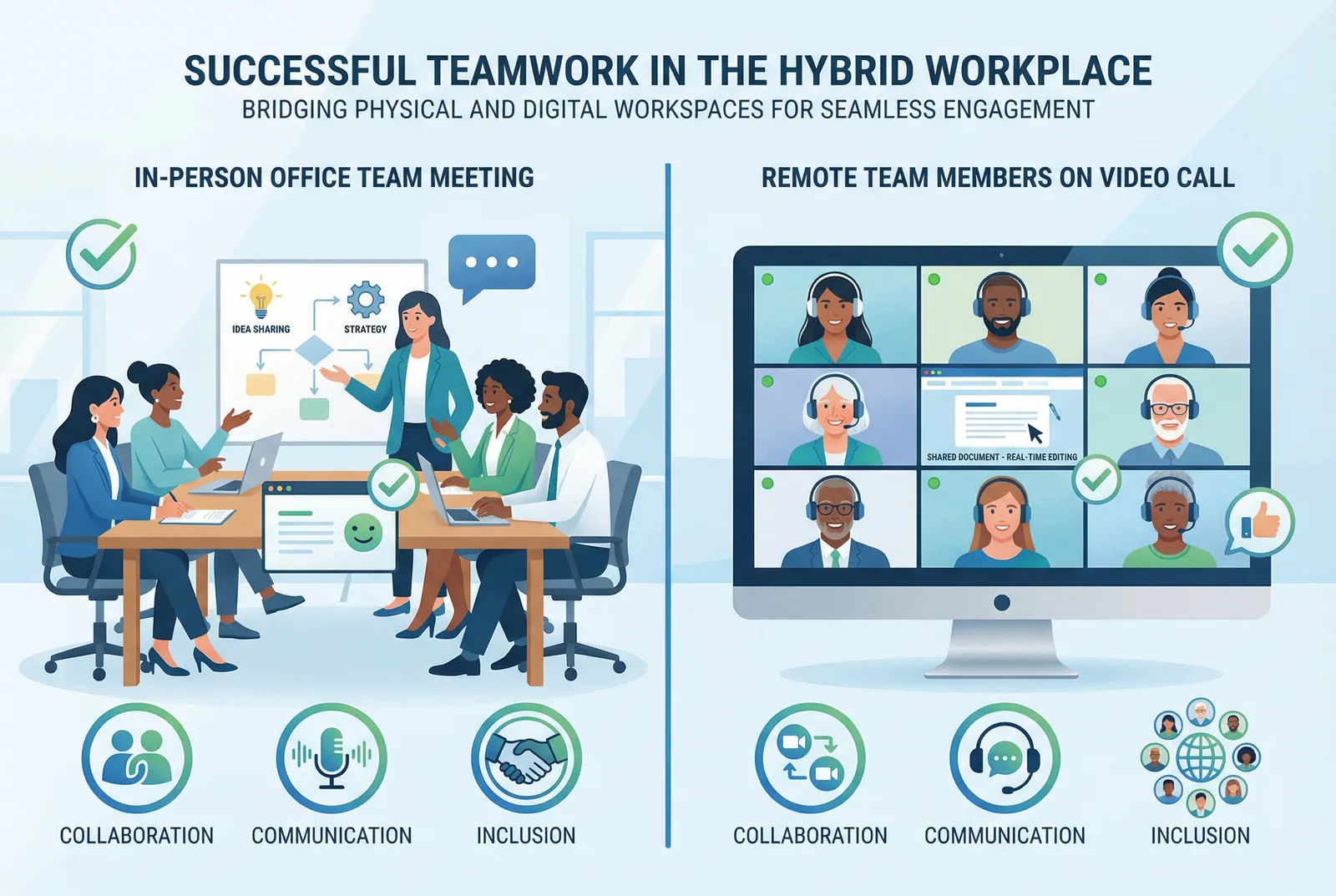
Different team contexts require different energy levels. Here are three versions of the same core activity, scaled for your specific meeting needs.
Low-Energy Version (5-7 Minutes)
Best for: Morning stand-ups, Monday meetings, teams with back-to-back calendars, groups with energy-draining contexts (post-incident reviews, budget meetings).
Setup: Use the simple rules overview with minimal explanation. Select an extremely easy word pair from safe word lists—think "coffee/tea" or "pen/pencil."
Format:
-
0:00-1:00: Quick rules explanation
-
1:00-3:00: One round of clues (no second round)
-
3:00-5:00: 2-minute discussion maximum
-
5:00-7:00: Vote and reveal
Key Modifications: No extended discussion phase. One clue per person. Immediate vote. This version prioritizes efficiency while still creating a brief moment of connection before diving into work.
Standard Version (8-10 Minutes)
Best for: Weekly team meetings, sprint retrospectives, onboarding sessions with 3-8 new team members, monthly all-hands warm-ups.
Setup: Provide a concise overview of strategy (when to give vague vs. specific clues). Choose medium-difficulty word pairs. Allow for brief post-reveal discussion about what clues gave away the impostor.
[SCREENSHOT: Workplace-friendly word pack selection]
Format:
-
0:00-1:30: Rules explanation and word distribution
-
1:30-4:00: First round of clues
-
4:00-7:00: Open discussion (facilitated)
-
7:00-8:00: Voting
-
8:00-10:00: Reveal and brief debrief
Key Modifications: This version includes a structured discussion phase where you can gently guide participation: "Let's hear from folks who haven't spoken yet" or "What clues felt most suspicious?"
High-Energy Version (10-15 Minutes)
Best for: Quarterly offsites, team celebrations, workshops where team bonding is a primary objective, situations where you're explicitly carving out time for group warm-up.
Setup: Frame this as a quick team building activity with explicit connection goals. Use challenging word pairs. Consider running two rounds back-to-back with different word categories.
Format:
-
0:00-2:00: Detailed rules and strategy tips
-
2:00-5:00: Round 1 clues
-
5:00-8:00: Extended discussion with facilitator prompts
-
8:00-9:00: Vote and reveal
-
9:00-11:00: Brief round 2 (optional)
-
11:00-15:00: Group reflection on patterns and strategies
Key Modifications: Add meta-discussion: "What made certain clues more helpful than others?" This version explicitly connects the game mechanics to workplace collaboration skills like clear communication under constraints.
Timebox Comparison Table
| Version | Total Time | Setup | Gameplay | Discussion | Best For |
|---|---|---|---|---|---|
| Low-Energy | 5-7 min | 1 min | 2 min | 2 min | Daily stand-ups, tight agendas |
| Standard | 8-10 min | 1.5 min | 2.5 min | 3 min | Weekly team meetings, onboarding |
| High-Energy | 10-15 min | 2 min | 3 min | 5+ min | Offsites, workshops, team events |
Facilitator Checklist
Use this checklist to ensure smooth execution, whether you're running this as an inclusive icebreaker or a quick meeting opener.
Before the Meeting:
-
Select appropriate energy level (low/standard/high) based on meeting context
-
Choose a workplace-friendly word pack (avoid topics like politics, religion, physical appearance, or anything potentially sensitive)
-
Test the platform if running remotely (screen sharing, breakout rooms)
-
Prepare brief explanation (30-60 seconds maximum)
-
Identify whether any team members might need accommodations
During Setup (First 60-90 Seconds):
-
Clearly state the activity will take X minutes exactly
-
Emphasize that participation is encouraged but optional (never force)
-
Explain the basic mechanic without over-explaining strategy
-
Confirm everyone can access their word (devices ready, links working)
-
Set expectations: "This is about observation and deduction, not trick questions"
[SCREENSHOT: Facilitator view during game]
During Gameplay:
-
Keep time strictly—announce when to move to next phase
-
Gently redirect if discussion goes off-topic: "Let's focus on the clues"
-
Watch for non-participants and check in privately after if needed
-
If someone accidentally reveals the word, laugh it off and restart with a new word
-
For remote teams, use chat for those with audio issues
Facilitation Tips:
-
Call on people by name during discussion to ensure equal participation
-
Affirm good deductive reasoning: "Great catch on that pattern"
-
Keep energy appropriate to the meeting context (don't over-hype for a serious agenda)
-
If the impostor is caught immediately, acknowledge: "That was a tough role!"
-
Bridge to meeting content: "That ability to spot inconsistencies? That's exactly what we need in today's code review."
Who This Is For (And Who It's Not For)
This Remote Team Game Works Well For:
Mixed Seniority Teams: Junior developers and VPs can participate on equal footing. The activity rewards observation skills, not organizational knowledge or tenure.
Global/Distributed Teams: Works seamlessly across time zones and cultures. The word-based mechanic translates across languages better than pop culture references or physical games.
Introverts and Extroverts: Provides structured turn-taking (everyone speaks once during clues) while avoiding forced improvisation or performance.
New Team Formations: Helps people learn names and communication styles without awkward personal sharing. The focus stays on the game, not individual disclosure.
Hybrid Settings: Equally effective whether everyone is in-office, fully remote, or a mix. No one has an advantage based on location.
This Might Not Be Ideal For:
Teams in Crisis Mode: If you're meeting to address urgent production issues, layoffs, or conflict resolution, skip the icebreaker entirely. Read the room.
Extreme Time Pressure: If your meeting is truly back-to-back with no buffer, don't squeeze this in. It's better to skip than to rush and create stress.
Teams with Active Conflict: If two team members are in open disagreement, a deduction game where people point fingers (even playfully) could amplify tension.
Very Small Groups (2 people): The mechanics don't work well below 3 participants. For one-on-ones, stick to direct conversation.
Highly Formal Contexts: If you're meeting with external auditors, board members, or in other extremely formal situations, this low-pressure group game might not match the tone.
Controlling Difficulty and Avoiding Sensitive Topics
One major advantage of this work icebreaker game over traditional activities: you control the difficulty and content precisely by choosing appropriate word pairs.
Difficulty Scaling
Beginner-Friendly (for new teams or first-time players):
Use word pairs that are obviously related but clearly distinct: dog/cat, car/bus, coffee/tea. New hires can participate successfully in their first round. Choose easy word packs like "Office Basics" or "Everyday Objects."
[SCREENSHOT: Example of safe workplace clues]
Moderate Challenge (for teams that know each other):
Select pairs that are more similar: laptop/tablet, manager/director, email/message. These require more thoughtful clues but remain accessible.
Advanced (for experienced groups):
Use pairs that are very closely related: croissant/bagel/violin/cello, sprint/marathon. These generate richer discussion and require genuine strategic thinking.
Content Boundaries for Professional Settings
Safe Topics (Recommended):
-
Office supplies and technology
-
Food and beverages (neutral items)
-
Transportation methods
-
Weather phenomena
-
General concepts (time, space, communication)
-
Professional roles (keep generic)
Avoid in Workplace Contexts:
-
Physical appearance or body-related terms
-
Religion, politics, or social issues
-
Romantic relationships or dating
-
Financial status or money (beyond neutral concepts)
-
Medical conditions or health
-
Anything that requires specific cultural knowledge
-
Age-related terms that could feel excluding
When in doubt, ask: "Could this word make someone on my team uncomfortable?" If the answer is "maybe," choose a different word.
What to Avoid: Common Mistakes
Learning from teams who've implemented this successfully—and those who haven't—here are the top facilitation pitfalls:
Mistake 1: Over-Explaining the Strategy
Bad: Spending five minutes explaining optimal clue-giving tactics, when to vote, impostor psychology, etc.
Better: Give a 30-second explanation and let people learn through playing. The first round is the tutorial.
Mistake 2: Making It Competitive
Bad: Announcing "winning teams," keeping score across meetings, or creating prizes for catching impostors.
Better: Frame this as collaborative problem-solving. The goal is connection, not competition.
Mistake 3: Calling Out Non-Participants
Bad: "Come on, Sarah, you haven't said anything yet!" (This creates pressure and discomfort.)
Better: Structure the activity so everyone has a turn giving a clue, but make post-clue discussion optional. If someone is consistently quiet, check in privately after.
Mistake 4: Using Inside Jokes as Words
Bad: Selecting word pairs that only long-time team members understand, leaving new hires confused.
Better: Stick to universally recognizable concepts, especially when new people are present.
Mistake 5: Ignoring Time Limits
Bad: Letting discussion run 15 minutes when you said it would take 7, pushing back the actual meeting agenda.
Better: Use a visible timer. When time's up, move to the next phase even if discussion is still energetic. You can always run another round next week.
Mistake 6: Forcing Enthusiasm
Bad: Requiring people to "get excited" or pressuring quiet team members to be more animated.
Better: Model appropriate energy yourself but respect different participation styles. Some people engage thoughtfully without being vocally enthusiastic.
Mistake 7: Choosing Sensitive Words
Bad: Using word pairs about appearance, personal life, or controversial topics because "they're more interesting."
Better: Interesting comes from the deduction challenge, not from edgy content. Stick to neutral topics.
Printable Quick Rules
Copy this section and share it with participants before your first session:
Word Impostor: 5-Minute Workplace Version
Objective: Identify which team member received a different word than everyone else.
Setup (30 seconds):
-
Most players receive Word A (example: "coffee")
-
One player (the impostor) receives Word B (example: "tea")
-
Keep your word secret
Round 1: Clues (2-3 minutes):
-
Each person gives ONE WORD as a clue
-
Don't say your exact word
-
Don't make clues too obvious (impostor will guess the word)
-
Don't make clues too vague (you'll look suspicious)
Round 2: Discussion (2 minutes):
-
Team discusses who seems suspicious
-
Point out patterns: "Why did you say 'morning'?"
-
Impostor tries to blend in without being caught
Voting (30 seconds):
-
Everyone points to who they think is the impostor
-
Majority vote wins
Reveal:
-
Impostor reveals their word
-
If caught: team wins
-
If impostor survives: impostor wins
-
Discuss what clues were most helpful
Pro Tips:
-
As a regular player: Balance helpful clues with not giving away the word
-
As the impostor: Listen carefully and give clues that work for multiple words
-
As a facilitator: Keep time strictly; encourage but don't force participation
Ready to Transform Your Team Meetings?
The difference between productive team rapport and cringe-inducing forced fun often comes down to three factors: respect for time, respect for boundaries, and clear connection to work skills.
This quick team building activity checks all three boxes. It takes exactly as long as you say it will. It requires zero personal disclosure. And it exercises the same observation and communication skills your team uses in actual work.
Most importantly, it's genuinely engaging. When you compare it to other party games, you'll notice it strikes a unique balance: substantive enough to create real interaction, light enough to feel like a break rather than work.
The next time you're looking at your meeting agenda and thinking "We need something to break the ice," you have a practical, tested, adaptable option that won't make anyone groan.
Visit imposterwords.com select a workplace-friendly word pack, and add this to your facilitator toolkit. Your team meetings—and your team members—will thank you.
Because the best team meeting icebreaker isn't the one that forces laughter. It's the one that creates genuine engagement without anyone noticing they're doing team building.